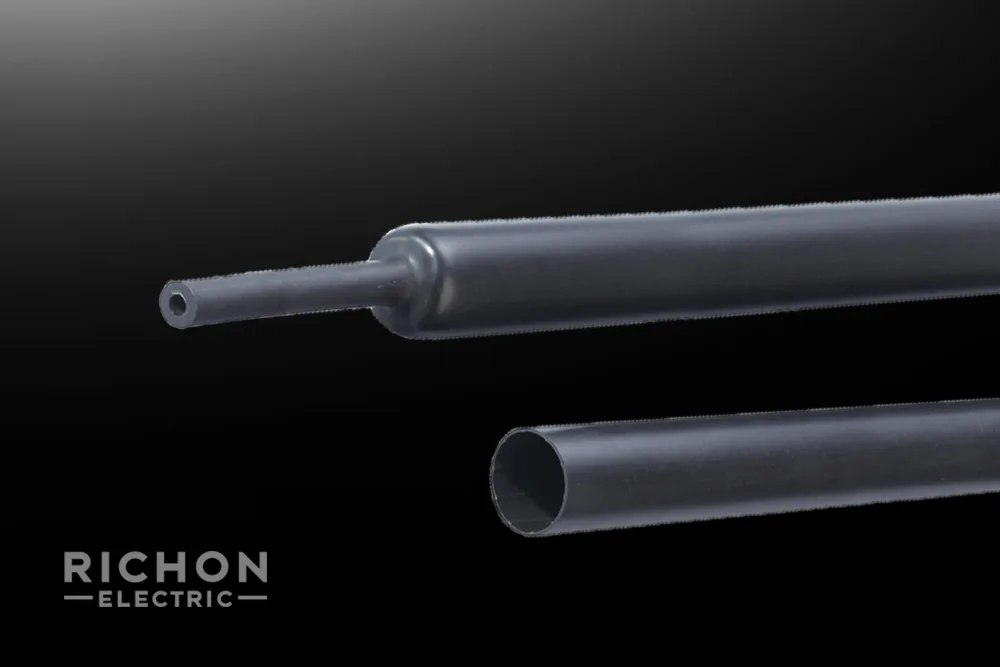


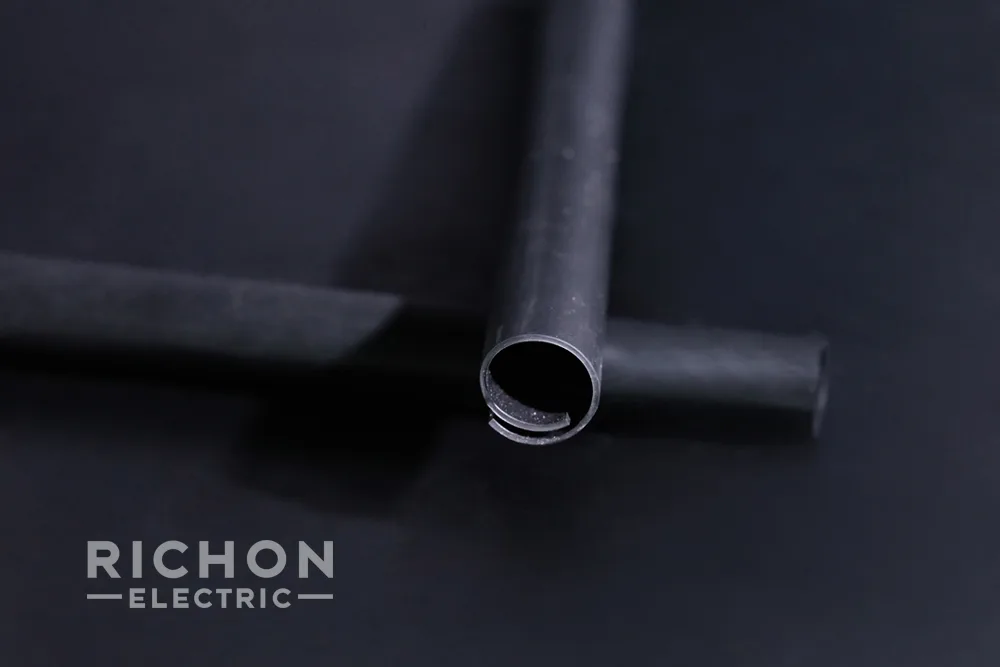
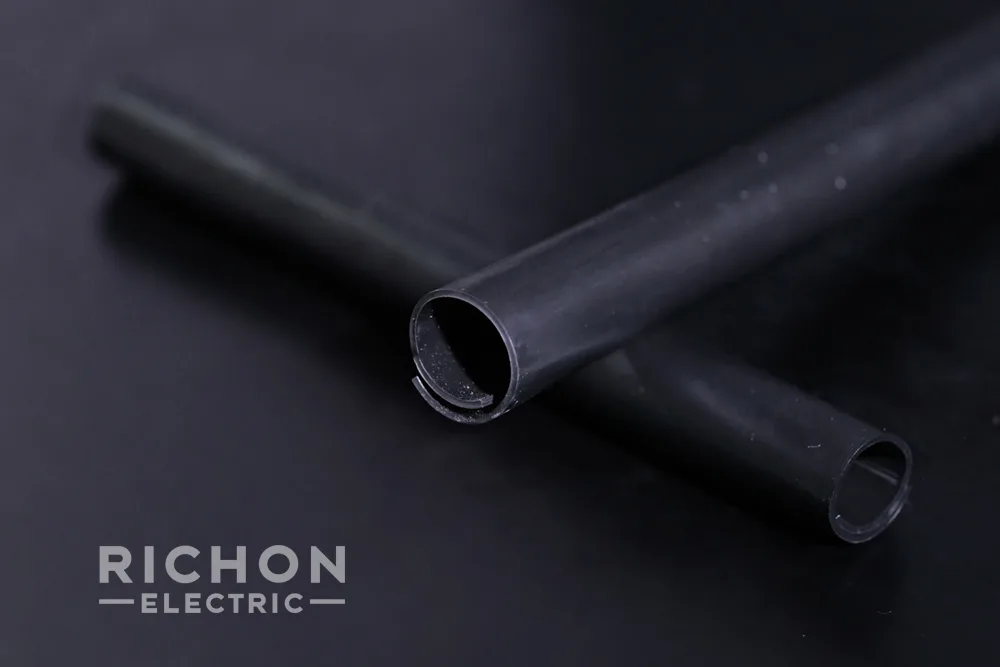
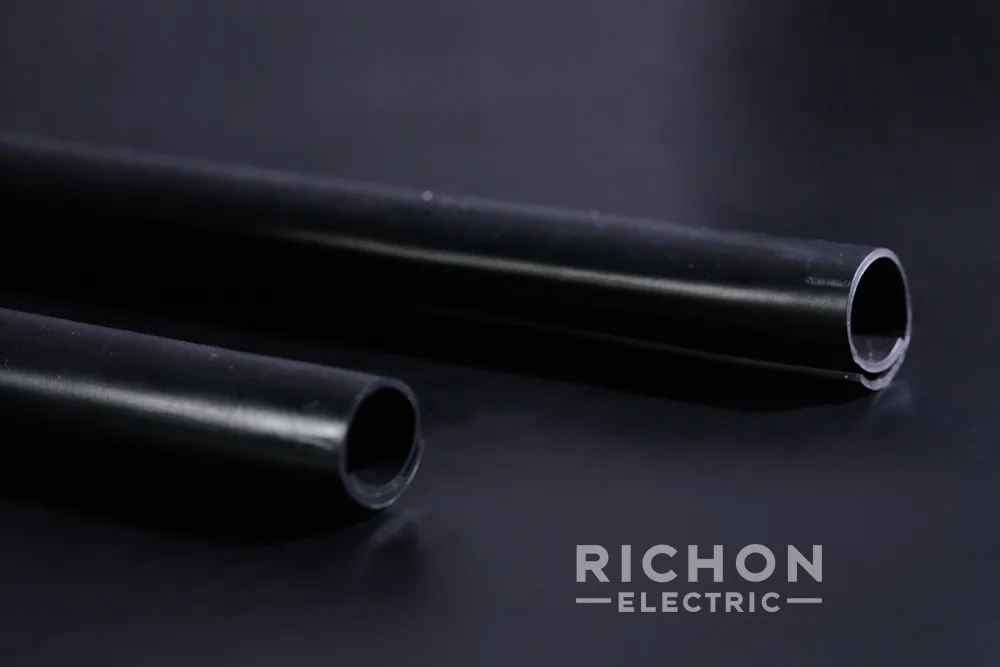
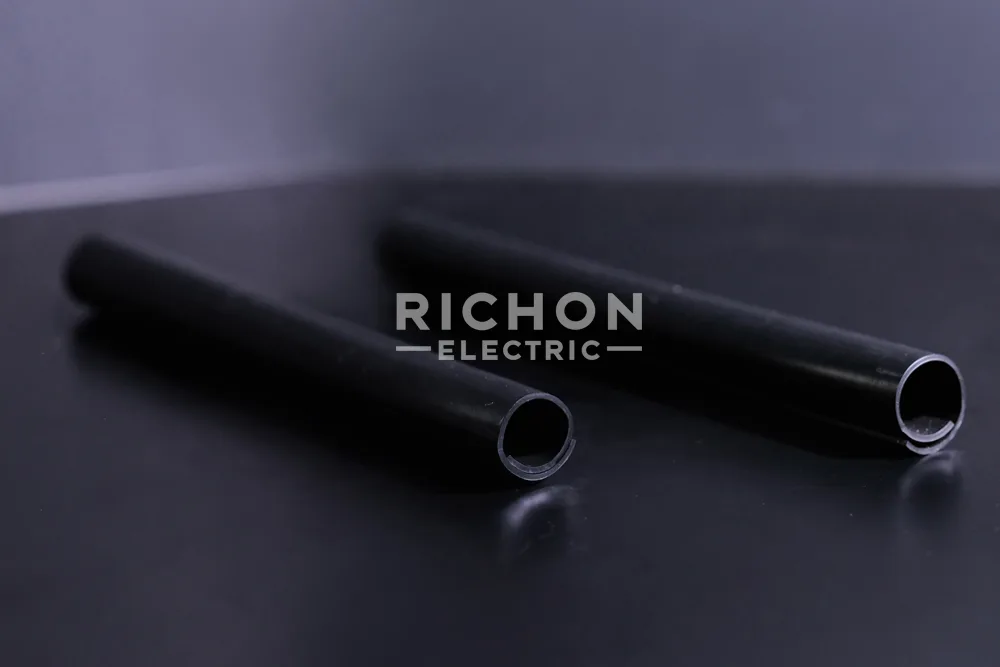
Description
Key Features
- Durable polyethylene construction with strong abrasion resistance
- Provides mechanical protection for overhead conductors and cables
- Excellent resistance to weathering and environmental exposure
- Creates a physical barrier preventing contact with tree branches
- Quick installation without disconnecting the conductor
- Reusable when maintained in good condition
- Suitable for bare conductors, covered cables, and fiber optic cables
- Lightweight and easy to handle during field installation
Applications
- Mechanical protection for bare overhead conductors
- Protection for fabric-covered or plastic-covered cables
- Protection for fiber optic cables installed on overhead lines
- Prevention of abrasion caused by tree branches or vegetation
- Protection of conductors in areas with dense vegetation
- Utility line maintenance and overhead distribution systems
Material and Construction
Tree Guards are manufactured from polyethylene, a material known for its excellent abrasion resistance and strong weathering performance. Although polyethylene has good dielectric properties, Tree Guards are designed for mechanical protection and are not intended to function as electrical insulation.
Dimensions
| Property | Specification |
| Material | Polyethylene |
| Color | Black |
| Length | Customized |
| Wall Thickness | Designed to provide mechanical barrier protection |
Size Selection
Tree Guard size should be selected according to the effective diameter of single or bundled conductors. For multiple conductors, arrange the cables to form the smallest possible bundle diameter. The appropriate Tree Guard size can then be selected based on the measured bundle diameter.
Installation Method
- Position the Tree Guard around the conductor or cable.
- Ensure the guard fully covers the area requiring protection.
- Secure the guard by taping or fastening both ends.
- Multiple guards can be installed end-to-end to achieve longer protection coverage.
Safety Notice
This product is intended for use by trained personnel only. When working near energized conductors, extra care must be taken to avoid accidental electrical contact. Always follow standard safety procedures for overhead line maintenance.